
Craniosacral Therapy (CST)
About Craniosacral Therapy (CST)
Craniosacral Therapy (CST) is a gentle, hands-on therapy that supports the body’s natural ability to heal and restore balance. By working with the subtle rhythms of the craniosacral system — the membranes and fluid surrounding the brain and spinal cord — CST helps release tension, improve mobility, and promote deep relaxation.
This therapy is safe, non-invasive, and suitable for people of all ages. Each session is tailored to your needs, providing a calm, nurturing environment where your body can restore harmony and wellbeing.
How CST Works
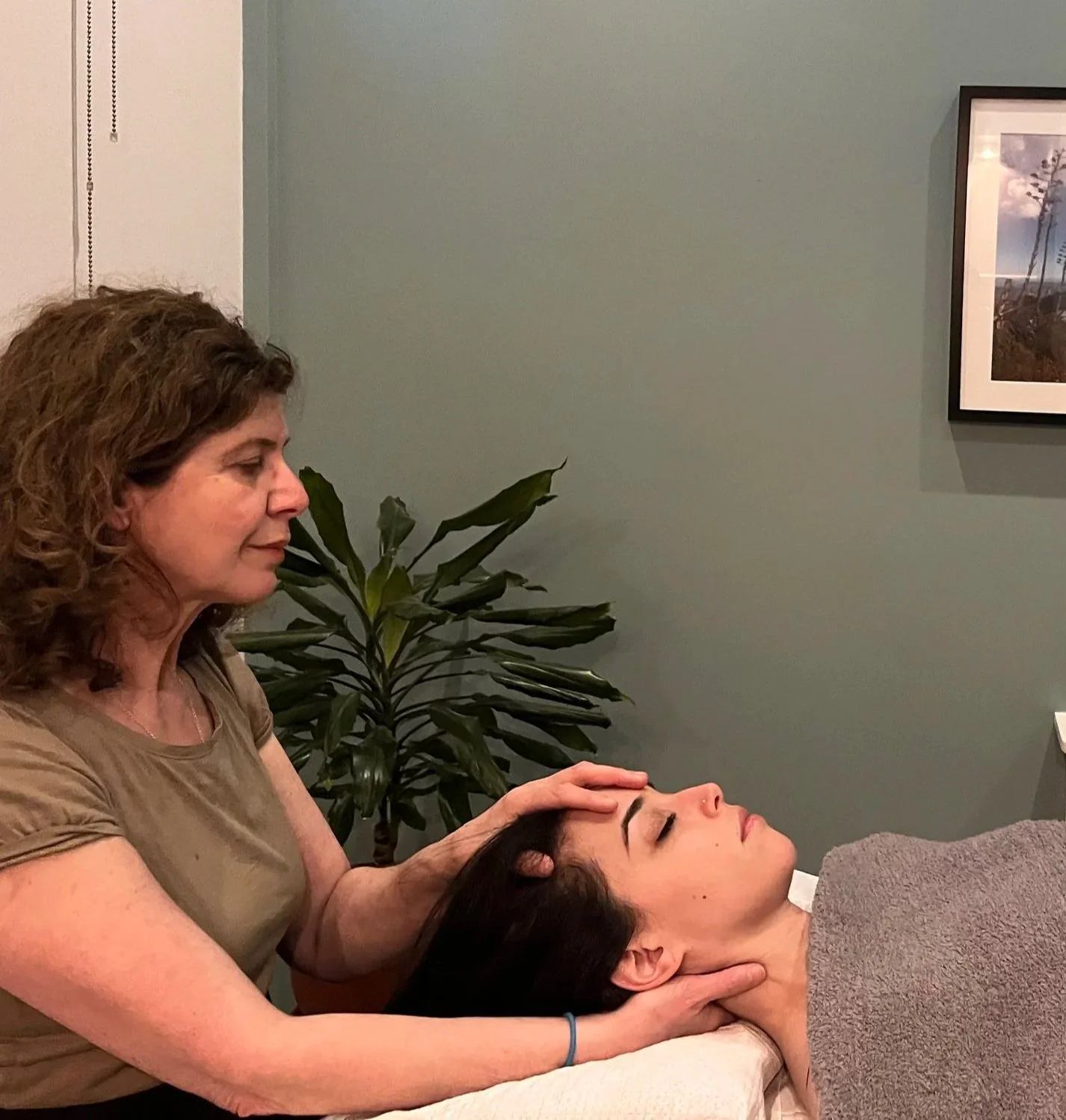
During a Craniosacral Therapy session, the therapist uses gentle touch to sense and support the body’s natural rhythms. By encouraging balance in the craniosacral system, CST helps release physical, emotional, and energetic tension, allowing your body to function more freely and efficiently.
Benefits of Craniosacral Therapy
Reduces stress and promotes deep relaxation
Relieves tension in the head, neck, and spine
Supports the nervous system and overall vitality
Eases headaches, migraines, and jaw tension
Encourages emotional balance and mental clarity
Enhances overall sense of wellbeing and harmony
What Happens During a Craniosacral Therapy (CST) Session
A Craniosacral Therapy session is a gentle, hands-on experience designed to support your body’s natural ability to relax, release tension, and restore balance.
You will lie fully clothed on a comfortable treatment table while the practitioner uses light, nurturing touch to sense the subtle rhythms of your craniosacral system — the membranes and fluid surrounding your brain and spinal cord.
The therapist may focus on the head, spine, and pelvis, or other areas of the body where tension or imbalance is present. Pressure is very gentle, often no more than the weight of a penny, allowing your body to respond naturally and safely.
What You May Feel
During the session, many clients experience:
Deep relaxation and calm
Gentle release of tension and tightness
Warmth, tingling, or subtle sensations in the body
A sense of lightness or increased energy afterward
Some people notice emotional release or clarity as well, as CST encourages balance in both the physical and energetic systems.
Sessions typically last between 45–60 minutes, and the number of sessions recommended varies depending on individual needs. Many clients feel benefits after a single session, while others notice deeper, cumulative effects over time.
A Safe and Restorative Practice
Craniosacral Therapy is non-invasive, gentle, and suitable for all ages. Each session is tailored to your body’s needs, creating a nurturing environment where your body, mind, and spirit can restore harmony.

A Brief History of Craniosacral Therapy
Craniosacral Therapy (CST) has its roots in the early 20th century with Dr. William Sutherland, an osteopath who discovered that the bones of the skull are not fixed but move subtly in rhythm with the flow of cerebrospinal fluid. He observed that this cranial motion influences the nervous system and overall health, laying the foundation for what would later become Craniosacral Therapy.
Dr. Sutherland’s pioneering work revealed that by gently supporting these natural rhythms, the body could release tension, restore balance, and promote its own healing.